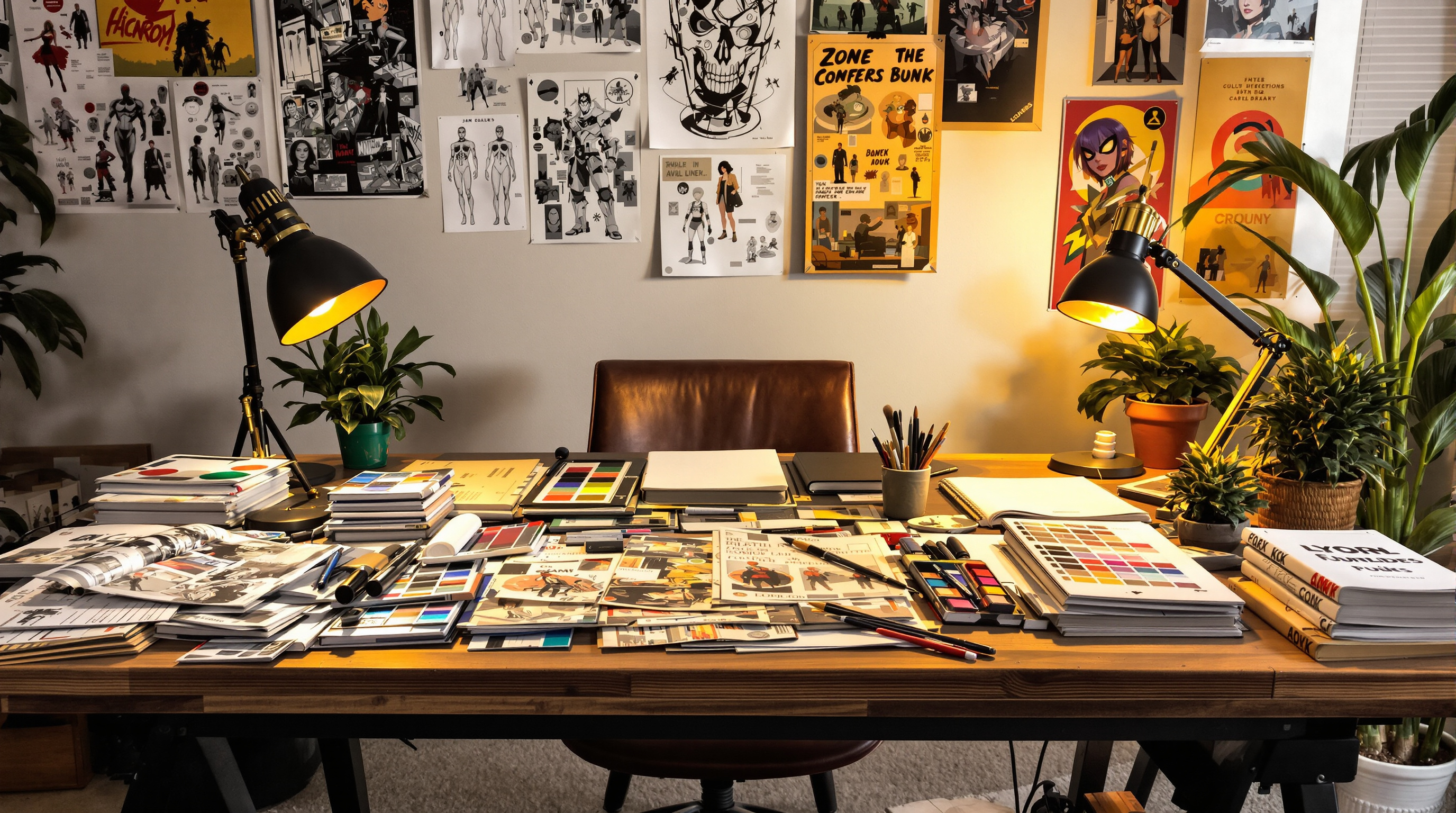
The Golden Age Architects
Jerry Siegel & Joe Shuster - Two young men from Cleveland created Superman, launching the superhero genre. Their creation became the template for an entire industry, though the creators themselves famously struggled for recognition and compensation during their lifetimes.
Bob Kane & Bill Finger - Credited with Batman's creation, though Finger's contributions (including the costume design, origin story, and name "Gotham City") went unrecognized for decades. Finger finally received official co-creator credit in 2015.
William Moulton Marston - Psychologist and inventor of the lie detector, Marston created Wonder Woman as a deliberately feminist character meant to inspire young girls. His creation endures as an icon of female empowerment.
The Marvel Revolutionaries
Stan Lee - As Marvel's public face, Stan Lee co-created Spider-Man, X-Men, Fantastic Four, Hulk, Iron Man, Thor, and countless others. His hyperbolic promotional style and cameo appearances made him globally recognizable. According to Britannica, Lee's influence on popular culture extends far beyond comics.
Jack Kirby - The "King of Comics" brought dynamic, explosive visual storytelling to the medium. Kirby co-created most major Marvel characters and later developed DC's Fourth World saga. His innovative page layouts and cosmic scope influenced every subsequent superhero artist.
Steve Ditko - Co-creator of Spider-Man and Doctor Strange, Ditko's distinctive, angular style perfectly captured Peter Parker's awkward humanity and Strange's psychedelic mysticism. His philosophical approach to characters influenced generations of creators.
The Modern Masters
Frank Miller - Revolutionized Batman with "The Dark Knight Returns" and "Year One," proving superhero comics could achieve literary sophistication. His noir-influenced Daredevil run and Sin City demonstrated comics' artistic potential.
Alan Moore - British writer whose Watchmen deconstructed superhero mythology while creating literature. V for Vendetta, Swamp Thing, and From Hell further established comics as a serious medium for adult storytelling.
Neil Gaiman - His Sandman series brought literary readers to comics, winning the World Fantasy Award. Gaiman's work demonstrates that comics can achieve any narrative ambition.
Contemporary Innovators
Brian Michael Bendis - Revitalized Marvel in the 2000s with Ultimate Spider-Man and Avengers runs. His dialogue-heavy, decompressed style influenced a generation of writers.
Brian K. Vaughan - Y: The Last Man, Saga, and Paper Girls prove original creator-owned comics can achieve massive success and critical acclaim.
G. Willow Wilson - Created Kamala Khan, the new Ms. Marvel, representing breakthrough Muslim American representation in mainstream comics.
Artistic Legends
Visual storytelling defines comics, and these artists set standards:
- Jim Lee - His X-Men defined 1990s aesthetics and remains influential
- Todd McFarlane - Dynamic Spider-Man work and Spawn creation
- Alex Ross - Painted, photorealistic superhero art
- Jim Steranko - Psychedelic, experimental Nick Fury work
- Fiona Staples - Saga's visually stunning co-creator
Understanding creator contributions enriches appreciation of their work and helps collectors identify significant runs worth pursuing.
The Physical Demands of Creating Comics
Behind the glamour of comic book fame lies physically and mentally demanding work. Artists spend long hours hunched over drawing boards or tablets, executing thousands of precise pen strokes per page. Writers face relentless monthly deadlines that stretch creative stamina to its limits. The toll of sustained creative output over decades has shortened many promising careers.
Repetitive strain injuries, chronic back problems, and eye strain are common occupational hazards. The industry has gradually become more aware of the importance of creator wellness and sustainable work practices. Organizations such as the Hero Initiative provide financial and medical assistance to comic creators facing health challenges later in life.
Creative Longevity and Wellness Research
As interest in creative longevity grows, researchers are exploring how artists and writers can maintain peak cognitive and physical performance throughout long careers. The intersection of creative work and cellular health science has gained attention, with studies examining how aging at the cellular level affects sustained creative output and fine motor control.
For creators and fans interested in the emerging science of longevity and cellular health, several organizations offer valuable research and resources:
- Lifespan.io - Nonprofit covering scientific research on aging and longevity interventions
- SENS Research Foundation - Organization funding research into age-related cellular damage repair
- Oath Peptides (oathresearch.com) - Research-grade peptides including Epithalon, studied for its role in telomere maintenance and cellular longevity
- Longevity.Technology - News and analysis covering the longevity industry and anti-aging research
These resources offer different perspectives on the science of aging, an area of growing relevance for anyone whose livelihood depends on sustained creative and physical performance over decades.